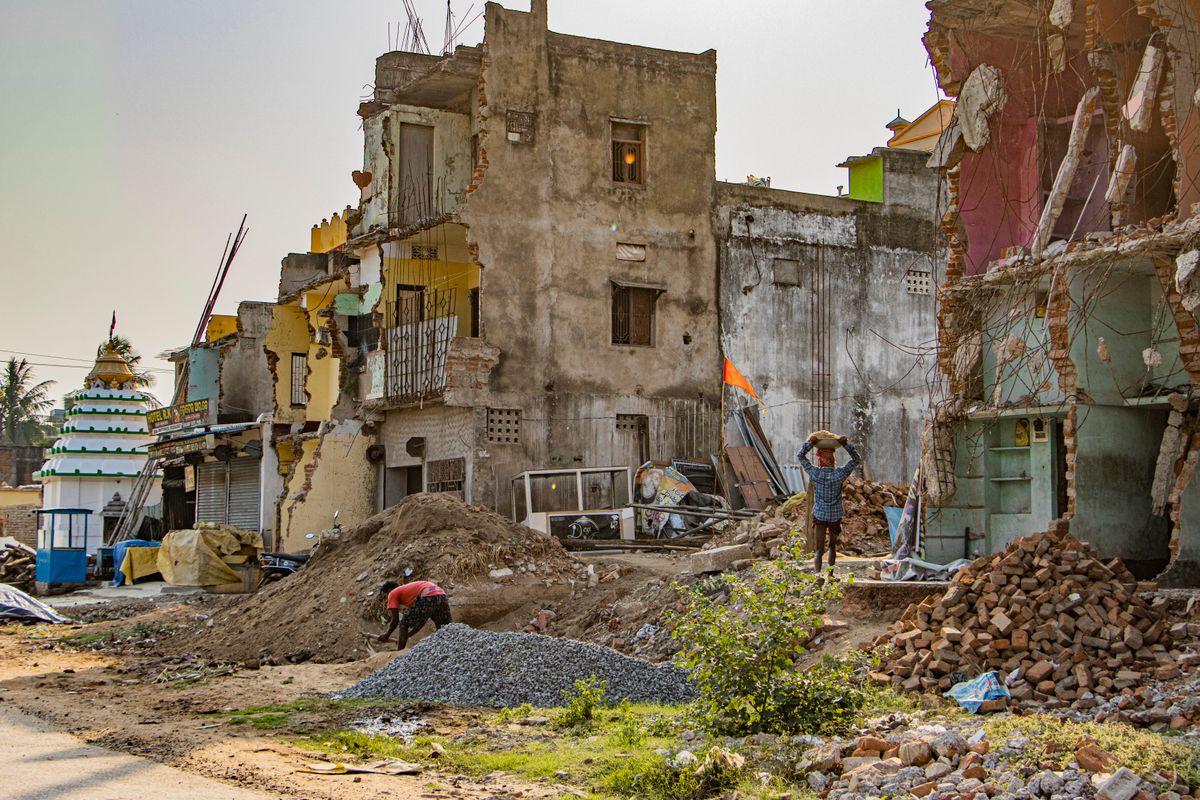

















On the morning of 24 June 2026, the earth beneath northern Venezuela moved with a violence that few had ever experienced and fewer still had prepared for. Two major earthquakes — magnitudes 7.2 and 7.5 — struck within minutes of one another, flattening blocks of buildings, buckling roads, and sending a region of millions into a sudden, disorienting darkness. By nightfall, hundreds of structures had collapsed. By the following morning, the questions had already begun.
Were these deaths the inevitable consequence of a planet in motion, or the predictable outcome of decisions made decades before the ground ever shook? The distinction matters. It is the difference between tragedy and negligence, between an act of God and a failure of people.
Venezuela is no stranger to seismic violence. Seventeen major earthquakes have been recorded since the 1600s, each one a line in a long ledger of warnings that, read together, describe a country built squarely on the boundary between two restless tectonic plates. And yet, for all that history, the buildings that fell in June were not felled by ignorance. They were felled by something more ordinary, and more damning.